
Your gut and endometriosis: what new research reveals
Based on: Salliss ME, Farland LV, Mahnert ND, Herbst-Kralovetz MM. "The role of gut and genital microbiota and the estrobolome in endometriosis, infertility and chronic pelvic pain." Human Reproduction Update. 2022;28(1):92-131.
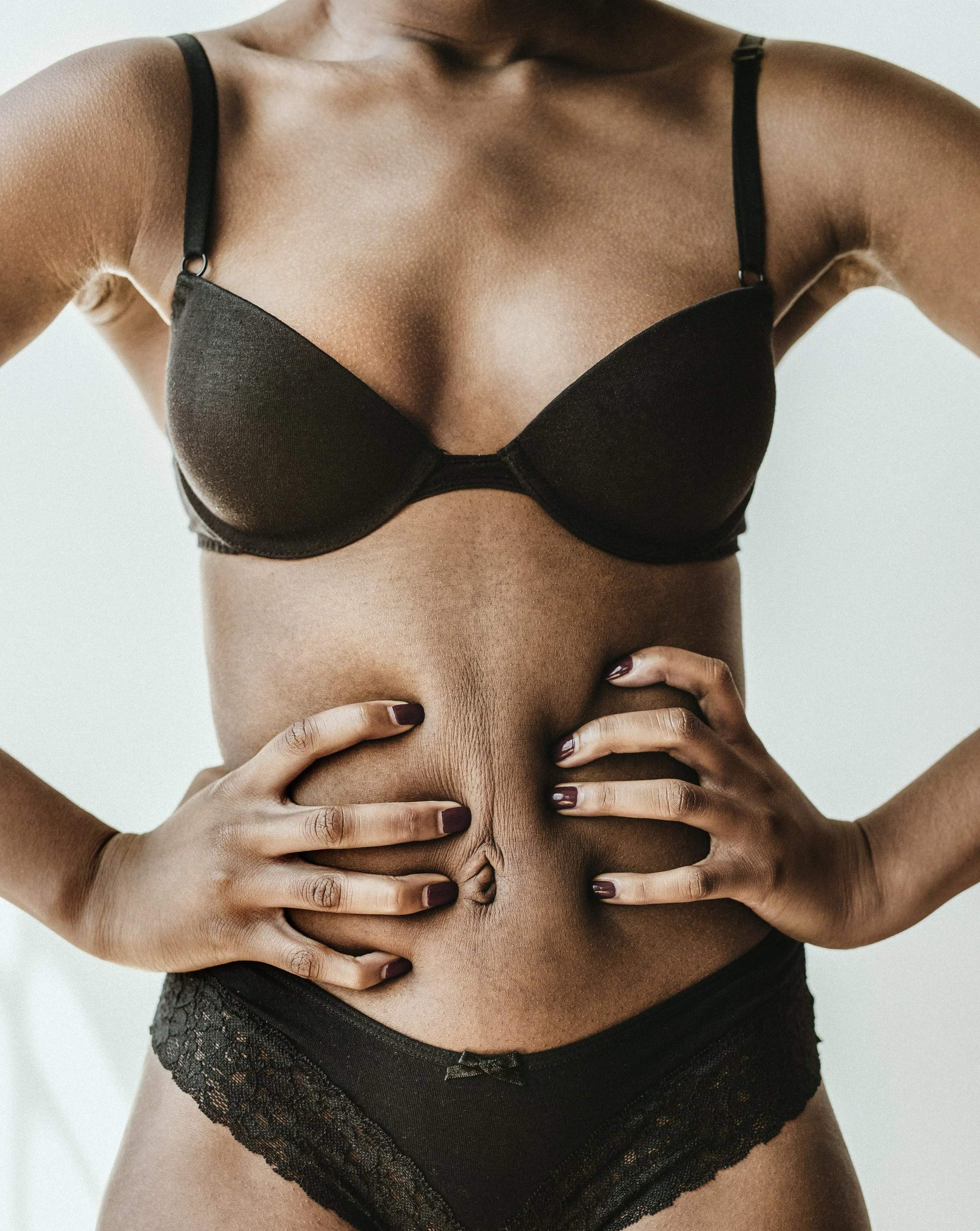
I recently read a fascinating review that pulled together several studies looking at the relationship between our gut bacteria and endometriosis. The researchers themselves were pretty clear about the limitations, but some genuinely interesting patterns are emerging. Here's what caught my eye and what it might mean for you.
First things first: the microbiome
Your microbiome is the vast community of bacteria, fungi, viruses and other microorganisms living in and on your body. We have different microbiomes at different sites: your gut microbiome is different to your vaginal microbiome, for example. When these microbial communities are balanced and diverse, they support your health by helping with digestion, regulating inflammation, supporting your immune system, and even influencing your hormones. When they're out of balance (known as dysbiosis), they can contribute to various health issues. Think of it as an ecosystem that thrives on diversity and balance.
What the researchers found
In the gut: The studies showed some bacterial differences in women with endometriosis, but here's the thing, researchers couldn't agree on which specific bacteria were the problem. The studies suggested it might go both ways: poor gut health could contribute to endometriosis, and endometriosis might mess with your gut bacteria.
In the vaginal microbiome: This is where things get more consistent. In 23 out of 28 studies, women with endometriosis had fewer of the protective Lactobacillus bacteria in their vaginal microbiome. Instead, they had more bacteria you'd typically see with bacterial vaginosis. This same pattern showed up in women struggling with infertility, too.
The estrobolome bit (bear with me, it's interesting)
This is the concept that really made me sit up and pay attention. Some gut bacteria produce an enzyme that can essentially "unlock" oestrogen that your liver has already packaged up for removal. So instead of being eliminated (via wee or poo), that oestrogen gets reabsorbed back into your system.
This is important because endometriosis thrives on oestrogen. Oestrogen encourages the endometrial-like tissue growing outside your uterus to develop, spread, and stick around. It's also inflammatory in nature, so you've got both oestrogen and inflammation working together to keep the condition going. We need oestrogen; it regulates the menstrual cycle, supports fertility, maintains bone density, influences mood and brain function, and protects heart and vaginal health. But too much is not so good. If we have bacteria in our microbiome that can recycle excess levels into our system rather than remove them, our endometriosis symptoms will be worse. This ‘recycling’ mechanism has already been linked to breast and colon cancers. But, and it's a big but, we don't actually know yet if this is happening in women with endometriosis, or whether fixing it would help with symptoms.
It's a compelling idea that makes biological sense. Just not proven yet.
Why this matters
Even with all the limitations, this research validates something so many of us have felt: that our gut and hormones are connected. The inflammation piece particularly interests me. We know women with endometriosis have higher inflammation. We also know gut problems drive inflammation. And loads of women with endometriosis also have IBS.
Is it the gut causing the endometriosis inflammation? Is the endometriosis disrupting the gut? Probably a bit of both. Either way, the connection is real enough to warrant attention.
What you can actually do now
Here's the good news: we don't need to wait for perfect science to support our gut health. These strategies are based on solid nutritional evidence:
Tackle inflammation through food
Get oily fish in two to three times a week (salmon, mackerel, sardines) or take a good omega-3 supplement
Think Mediterranean: loads of veg, fruit, wholegrains, legumes, nuts, olive oil
Cut back on the ultra-processed stuff, added sugars, and trans fats
Help your body clear oestrogen
Eat cruciferous veg four to five times weekly: broccoli, cauliflower, cabbage, kale, brussels sprouts.
These support your liver's detox pathways, helping it eliminate excess hormones such as oestrogen. Steam them lightly rather than boiling the life out of them to maintain nutrient density.
Don't skimp on fibre
Aim for 30g daily from wholegrains, veg, fruit, beans, nuts, and seeds
Fibre literally binds to oestrogen and helps shuffle it out, plus it feeds the good bacteria in your gut
Get some probiotics in
Add live yoghurt, kefir, sauerkraut, kimchi, and kombucha to your diet
The evidence for endometriosis specifically is limited, but supporting those Lactobacillus bacteria makes sense
Start small if you're new to this: a spoonful of sauerkraut counts
Feed the bacteria you want
Prebiotics are essentially food for your good bacteria
Onions, garlic, leeks, asparagus, oats, apples, and bananas all do the job
Work out your personal triggers
Common suspects: gluten, dairy, red meat, alcohol, caffeine
Keep a food diary for a few weeks
If something's showing up repeatedly, maybe try cutting it out for a bit (I can help with this)
Keep your blood sugar steady
Protein with every meal
Choose slower-release carbs: oats, quinoa, sweet potato, beans, lentils
This helps keep both inflammation and hormones more balanced
So, what's the takeaway?
Look, this research is genuinely interesting and opens up new ways of thinking about endometriosis. But it's early days.
The reality check: The researchers were honest about the problems with these studies. Small numbers of participants, inconsistent methods, missing information about things like antibiotic use or ethnicity. So we're looking at early clues here, not definitive answers. We don't have proven microbiome treatments for endometriosis yet.
What we do have is good evidence that eating to reduce inflammation, supporting your body's oestrogen clearance, and looking after your gut health probably won't hurt and might well help.
Living with endometriosis myself, I find this research validating. It backs up what many of us have instinctively felt: that our gut and hormones are talking to each other. But I also know that real, lasting change comes from the consistent, foundational stuff rather than jumping on every new bit of research.
The advice above isn't sexy or revolutionary. It's just solid nutrition that supports your body whilst we wait for science to catch up with better answers.
If you're finding it hard to know where to start, or you want this tailored to your specific situation and symptoms, that's literally what I do. Book a free chat, and we'll figure out what makes sense for you.
——————
This is my take on published research. It's for information and guidance but should not replace medical advice. Always check with your GP about symptoms or health concerns.